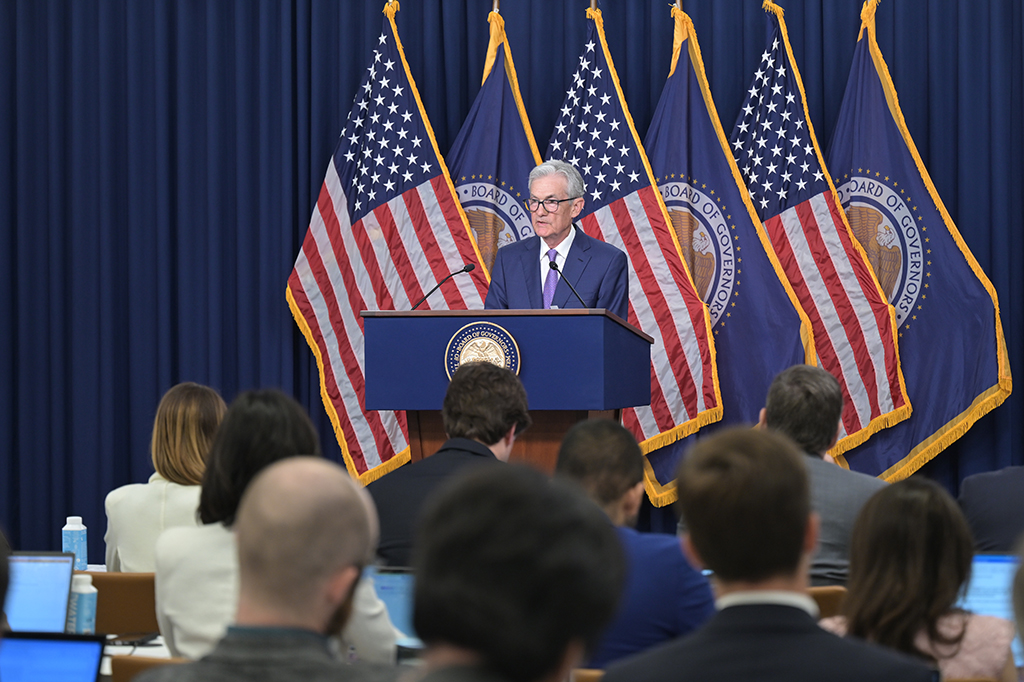
Just when the world was beginning to believe the tariff wars were behind us, Donald Trump has thrown a live grenade back into the global trading system. By slapping a 104% tariff on Chinese imports, the former US President has reignited a conflict that had deeply unsettled global markets and supply chains during his previous term.
This isn’t just another volley in the long-running US-China economic rivalry. It’s a strategic escalation, clearly timed for maximum political effect in an election year. And it signals a return to the “America First” trade playbook, where tariffs are not just economic tools but blunt instruments of foreign policy.
For China, already battling a property sector crisis and softening consumer demand, this is a blow to its export-led recovery. Beijing’s decision to hold firm on its 34% retaliatory tariffs shows it isn’t ready to concede ground, setting the stage for a prolonged confrontation.
But what does this mean for India?
While the global economy braces for the fallout, India may find itself staring at an opportunity—albeit one laced with uncertainty. With Chinese goods facing higher entry barriers to the US market, Indian exporters in sectors like electronics, textiles, chemicals, and engineering goods could potentially gain ground—if they can move fast and build scale.
The situation, however, is not without risks. If the tariff spiral spins out of control, global inflation could resurface, complicating monetary policy decisions just as central banks, including the RBI, are looking to ease rates to support growth. India, too, is part of Trump’s new tariff net. Though not targeted as sharply as China, it cannot afford to be complacent.
What’s clear is that trade is no longer just about economics. It’s about power, positioning, and politics. Countries like India must now craft trade policies that are agile and responsive, while also pushing domestic reforms that make their exports more competitive on quality and cost.
The tariff wars are back. Whether India emerges as collateral damage or a breakout beneficiary depends on how shrewdly it plays the next few moves.
Discover more from BizNewsWeek
Subscribe to get the latest posts sent to your email.