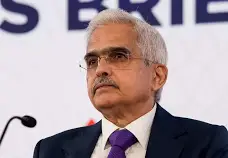
Shaktikanta Das: The Prime Minister’s Trusted Financial Hand
Das, who helmed the RBI from 2018 to 2023, is no stranger to navigating economic turbulence

Das, who helmed the RBI from 2018 to 2023, is no stranger to navigating economic turbulence

It begins innocuously. A young professional lands a decent job and is suddenly bombarded with credit card offers and easy loans.
Emerging market economies (EMEs), including India, are facing selling pressure from foreign portfolio investors (FPIs) and currency depreciation due to a strong U.S. dollar.
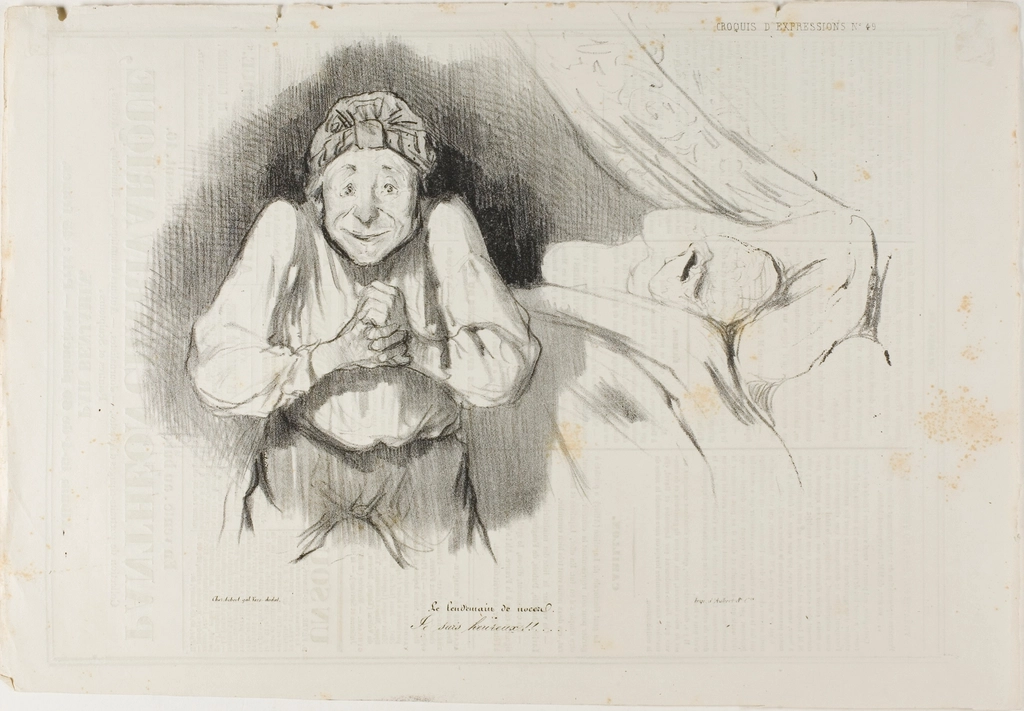
The first step involves strengthening employee trade unions. Trade unions have historically been instrumental in protecting workers’ rights, yet their influence has waned in recent years.

The victim, a Dalit youth from Mulavukad, lodged a complaint with the Ernakulam Central Police in December
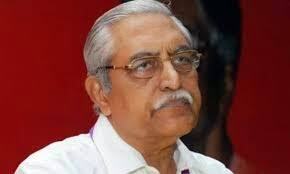
In a statement, AIBEA General Secretary C.H. Venkatachalam expressed deep concern over the growing threat to bank employees.
RBI has been clamping down on erring cooperative banks

The lifting of these restrictions suggests that Kotak Mahindra Bank has taken substantial remedial actions to address the RBI’s concerns.

The most significant contributor to the decline is food inflation, which eased to 6% in January from over 8% in the preceding months
A notable highlight from the CCS is the reduction in pessimism regarding current price levels and inflation compared to the November 2024 round. This suggests that households are perceiving some stability in price movements.