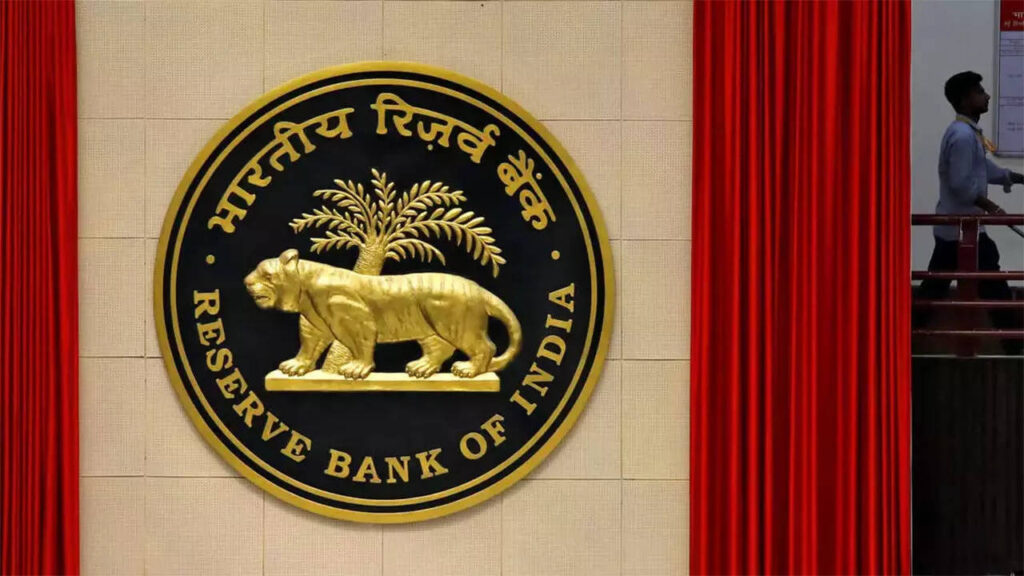
RBI’s 25 bps Rate cut signals shift in monetary policy to boost consumption
The RBI’s decision aims to ease the cost of capital, potentially revitalizing both consumer spending and investment activities across sectors.

The RBI’s decision aims to ease the cost of capital, potentially revitalizing both consumer spending and investment activities across sectors.
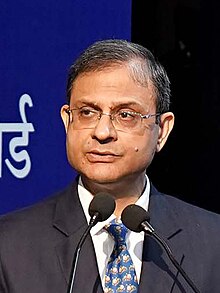
The rate cut follows a period of aggressive tightening, where the RBI had hiked rates by 250 bps since May 2022 to combat soaring inflation.
Inflation outlook and guidance will be crucial.

The alarming spike in asset quality deterioration at Muthoot Microfin is more than just a company-specific issue; it’s a red flag for India’s microfinance sector.
The expectation of a rate cut is grounded in a combination of domestic economic indicators and global trends. India’s GDP growth has shown signs of moderation in recent quarters, with industrial output and private consumption exhibiting uneven momentum
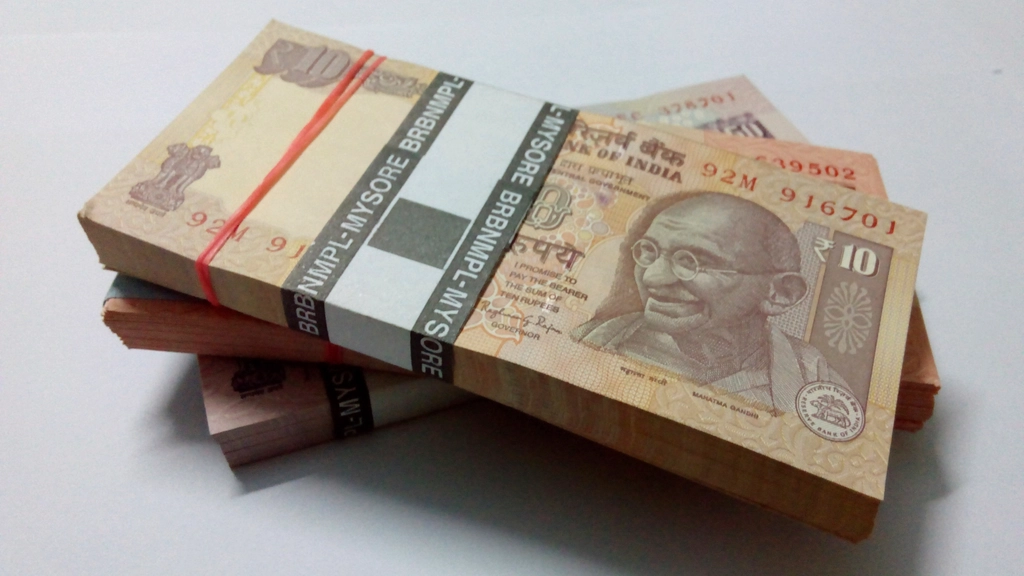
At the heart of the rupee’s struggles is the ongoing trade war, particularly the new tariffs imposed by the United States. President Donald Trump’s 25% levy on imports from Mexico and Canada, along with the 10% tariff on Chinese goods, has triggered retaliatory actions from these nations, exacerbating global market uncertainty.
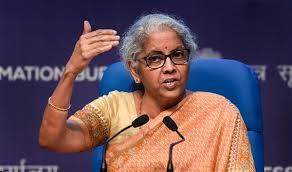
The government’s fiscal consolidation targets, while commendable in principle, appear to have come at the cost of growth-oriented spending. The fiscal deficit has been pegged at 4.4% of GDP for FY26, a reduction that seems more focused on meeting numerical targets than on fostering economic resilience.

Venkatachalam of AIBEA has criticised the Union Budget saying the Government has failed to live up to the aspirations of the country.
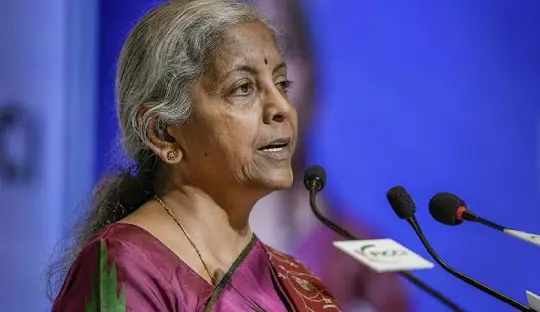
The survey also notes a rise in self-employment, which now accounts for 58.4% of the total workforce in 2023-24, up from 52.2% in 2017-18. A particularly encouraging trend is the near doubling of female labour force participation, which has surged from 23.3% in 2017-18 to 41.7% in 2023-24.
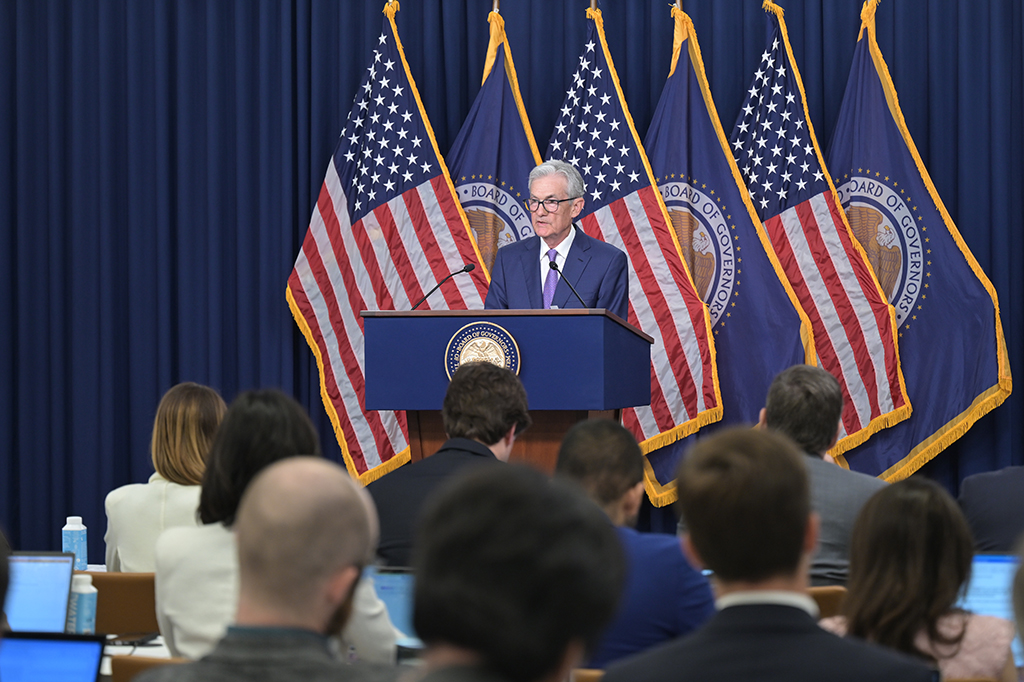
US Fed decided to pause interest rates but said this isn’t a shift in policy stance