How did Trump pull off the tariff stunt?
Donald Trump’s recent tariff saga—billed as “Liberation Day” on April 2, 2025—began with the bombast we’ve come to expect from […]
Donald Trump’s recent tariff saga—billed as “Liberation Day” on April 2, 2025—began with the bombast we’ve come to expect from […]
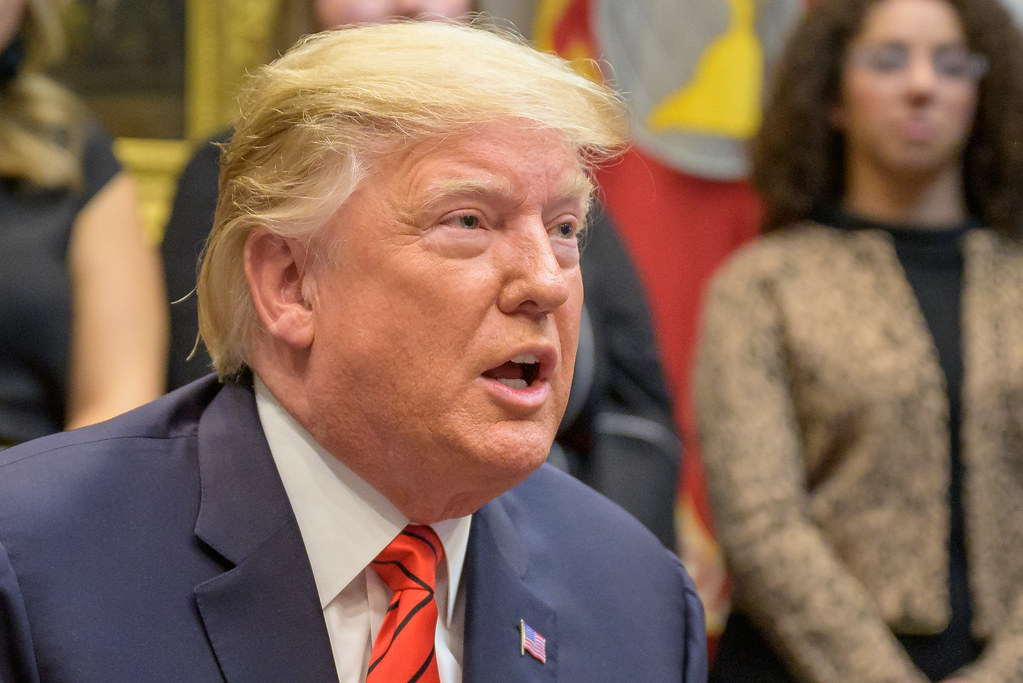
The dramatic tariff hikes announced by the U.S. last week—raising effective tariff rates to 25%—have grabbed headlines and sparked debates

In yet another baffling chapter of the ongoing trade saga, former President Donald Trump has escalated his tariff campaign to
Countries like China and India have already hinted at potential countermeasures, which could lead to a full-blown trade war.
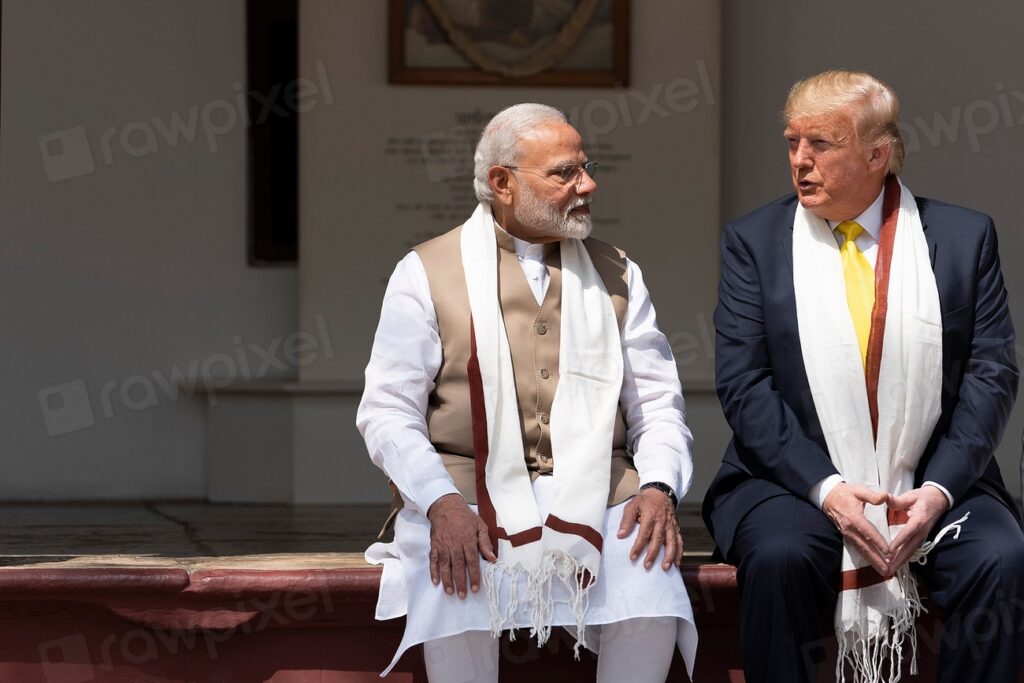
Trump’s decision to charge India a 26% tariff is a direct response to the 52% tariff that India allegedly imposes on American goods
Beyond stock market turbulence, inflation concerns loom large. Higher tariffs on imports mean rising input costs for manufacturers, leading to price hikes that will ultimately squeeze consumers.
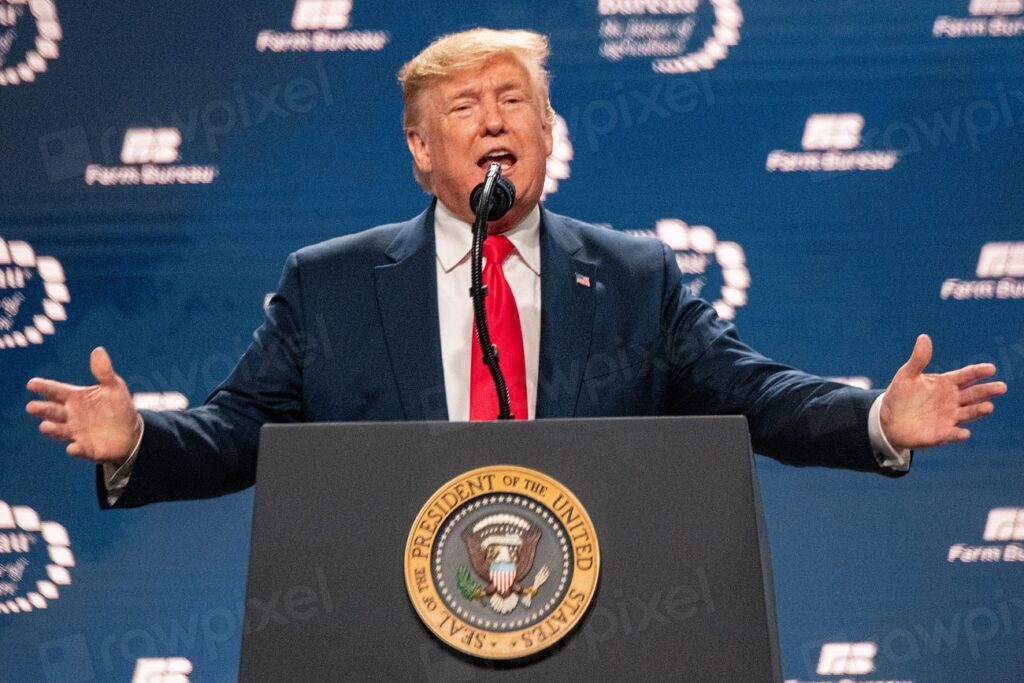
At the heart of Trump’s strategy is a recognition that America’s debt dynamics are unsustainable
The escalation of tariffs against Canada, Mexico, and China has fueled concerns that Trump is willing to push the U.S. into a trade war that could lead to a broader economic slowdown or even a recession.
Donald Trump’s second tenure as President of the United States is a seismic event for global politics and business alike.
The high-stakes Oval Office meeting between Ukrainian President Volodymyr Zelensky and U.S. President Donald Trump was less of a diplomatic